Pet Spa At Home

Blog

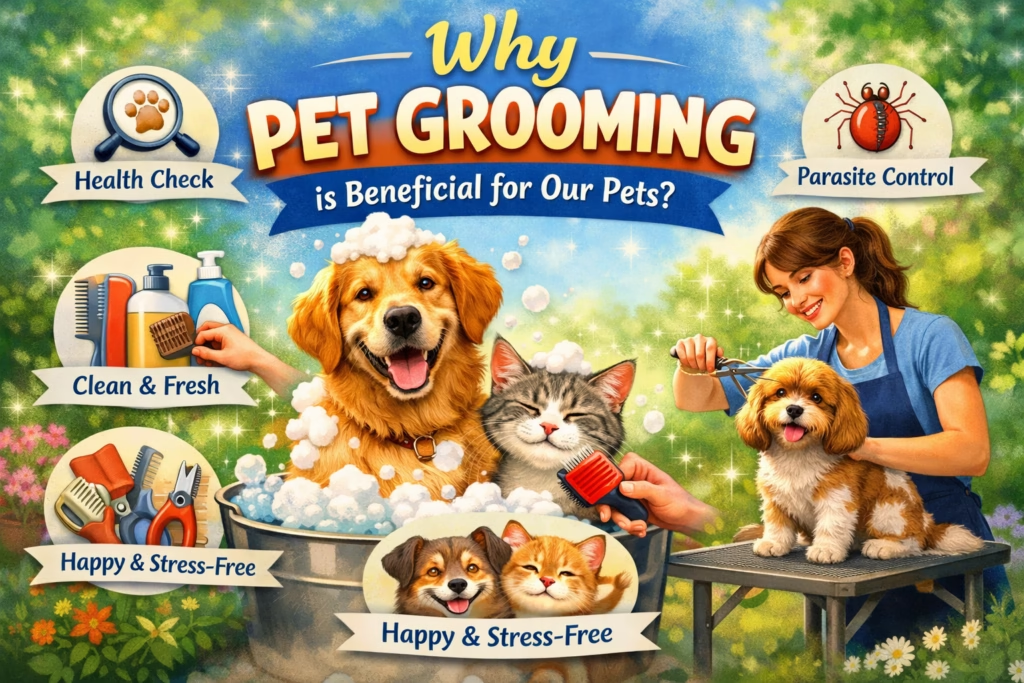
Why Pet Grooming Is Beneficial for Our Pets?

Pet grooming is often seen as a cosmetic routine—something done to keep pets looking cute and tidy. However, in reality, pet grooming is a vital part of responsible pet care. Regular grooming directly impacts a pet’s physical health, emotional well-being, hygiene, comfort, and even lifespan.

Whether you have a playful puppy, a senior dog, or an independent cat, pet grooming is not optional it is essential. In this detailed guide, we’ll explore why pet grooming is beneficial for our pets, how it improves their quality of life, and why professional pet grooming (especially at home) is the safest and most effective choice.

Pet Grooming

Understanding Pet Grooming

What Is Pet Grooming?

Pet grooming refers to the routine care of a pet’s:

  • Coat and skin

  • Nails

  • Ears

  • Eyes

  • Teeth

  • Paws and sanitary areas

Professional pet grooming includes:

  • Brushing and de-shedding

  • Bathing with pet-safe products

  • Hair trimming or styling

  • Nail clipping

  • Ear and eye cleaning

  • Tick and flea inspection

Each of these steps plays a role in maintaining your pet’s overall health and comfort.

Why Pet Grooming Is More Than Just Appearance

Many pet parents believe grooming is only about looks. In truth, pet grooming is preventive healthcare.

Without regular grooming:

  • Skin issues go unnoticed

  • Mats cause pain and infections

  • Parasites spread

  • Nails overgrow and affect walking

  • Bad hygiene leads to illness

Grooming allows early detection and prevention—saving your pet from discomfort and you from costly vet visits.

1. Pet Grooming Promotes Healthy Skin and Coat

One of the most visible benefits of pet grooming is a healthy, shiny coat.

How Grooming Helps the Skin

  • Removes dirt, dust, and pollutants

  • Prevents buildup of dead hair

  • Stimulates blood circulation

  • Distributes natural oils evenly

These oils protect the skin from dryness, itching, and irritation.

Why This Is Important

In hot and humid climates like India, pets are more prone to:

  • Fungal infections

  • Hot spots

  • Skin allergies

  • Excessive itching

Regular pet grooming keeps the skin clean, breathable, and infection-free.


2. Early Detection of Health Issues

One of the most critical benefits of pet grooming is early health detection.

What Groomers Can Detect

During grooming, professionals can notice:

  • Lumps or swelling

  • Cuts or wounds

  • Rashes or redness

  • Tick and flea infestations

  • Ear infections

  • Dental issues

Early detection allows faster treatment, reduces pain, and improves recovery chances.

🩺 Many serious health conditions are first noticed during routine pet grooming sessions.


3. Improves Pet Hygiene and Reduces Odor

A clean pet is a healthy pet.

How Pet Grooming Improves Hygiene

  • Removes bacteria and allergens

  • Prevents bad odor

  • Keeps ears clean and infection-free

  • Maintains oral hygiene

  • Keeps paws and private areas clean

Skipping grooming often leads to:

  • Strong body odor

  • Ear infections

  • Gum disease

  • Skin irritation

Professional pet grooming ensures complete hygiene, not just a surface clean.


4. Reduces Shedding and Controls Allergens

Shedding is natural, but excessive shedding is manageable.

Benefits of Regular Brushing

  • Removes loose fur before it spreads

  • Reduces hair on furniture and clothes

  • Controls pet dander

  • Improves coat texture

This is especially beneficial for:

  • Indoor pets

  • Families with children

  • Allergy-sensitive individuals

Professional de-shedding during pet grooming can reduce shedding by up to 60–70%.


5. Prevents Painful Matting

Matting is one of the most painful grooming problems.

Why Matting Is Dangerous

  • Pulls on skin constantly

  • Traps moisture and bacteria

  • Causes infections and sores

  • Restricts movement

  • Hides parasites

Long-haired breeds are especially at risk. Regular pet grooming prevents mats before they become severe.


6. Improves Comfort, Mobility, and Posture

Overgrown nails and fur can affect how pets walk and move.

How Grooming Helps Mobility

  • Trimmed nails prevent joint stress

  • Clean paw pads improve grip

  • Trimmed fur around eyes improves vision

  • Sanitary trimming keeps pets comfortable

A groomed pet moves freely, walks confidently, and feels physically lighter.


7. Supports Emotional and Mental Well-Being

Physical discomfort often leads to behavioral problems.

Mental Benefits of Pet Grooming

  • Reduces itching and irritation

  • Improves sleep quality

  • Decreases anxiety

  • Enhances mood

  • Builds trust with humans

Pets that feel clean and comfortable are happier, calmer, and more social.


8. Essential for Senior Pets

As pets age, grooming becomes even more important.

Why Senior Pets Need Grooming

  • Reduced self-cleaning ability

  • Sensitive skin

  • Higher infection risk

  • Joint pain from long nails

Gentle, professional pet grooming helps senior pets maintain dignity, comfort, and health.


9. Helps Maintain Better Social Behavior

Well-groomed pets:

  • Feel confident around people

  • Are calmer during walks

  • Interact better with other animals

  • Are welcomed more easily in social spaces

Pet grooming directly impacts a pet’s confidence and social comfort.


10. Prevents Parasite Infestations

Ticks and fleas are common and dangerous.

Why Grooming Matters

  • Early tick detection

  • Manual removal prevents infections

  • Reduces risk of tick-borne diseases

  • Keeps coat parasite-free

Regular pet grooming is one of the best defenses against parasites.

Why Professional Pet Grooming Is Better Than DIY

Basic brushing at home is helpful, but professional pet grooming ensures:

  • Correct tools and techniques

  • Breed-specific care

  • Safe handling

  • Complete hygiene

  • Stress-free experience

Professional groomers are trained to manage pets gently and safely.


Benefits of At-Home Pet Grooming

At-home pet grooming is becoming the preferred choice for modern pet parents.

Why Pets Love Grooming at Home

  • Familiar environment

  • No travel stress

  • No cages or waiting

  • One-on-one attention

Why Pet Parents Prefer It

  • Saves time

  • Hygienic

  • Convenient

  • Transparent service


How Often Should Pet Grooming Be Done?

Pet TypeBrushingBathingProfessional Grooming
Short-haired dogs1–2x/week4–6 weeks6–8 weeks
Long-haired dogs3–4x/week3–4 weeks4–6 weeks
Cats1–2x/weekAs needed6–8 weeks

Common Myths About Pet Grooming

❌ Grooming is only for looks
❌ Pets don’t need grooming in winter
❌ Shaving keeps pets cool
❌ Home bathing is enough

✅ Reality: Proper pet grooming is essential year-round and must be done correctly.

Scroll to Top